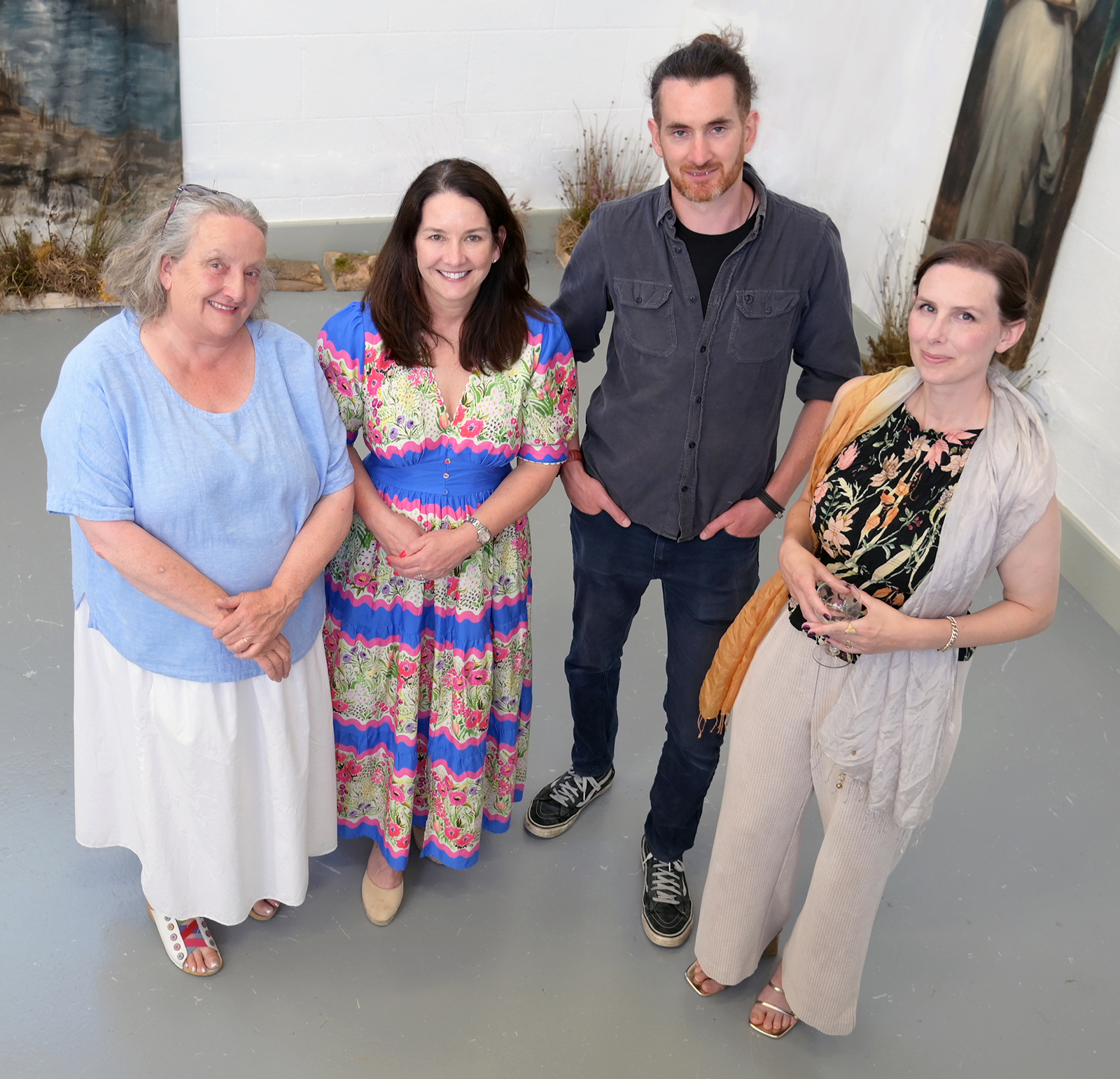
Three artist show, with Natalie Folan and Madeleine Shinnick.
In July 2026, I showed 16 of my photographs, along with 3 handmade books, as part of the Oughterard Courthouse Arts Program (OCAP) summer arts series. For this show, each of us three artists, selected works based around place, belonging, borders, identity, and language. A common strand for all of us was, is, a valuing of attention and of time spent in the spaces we love.
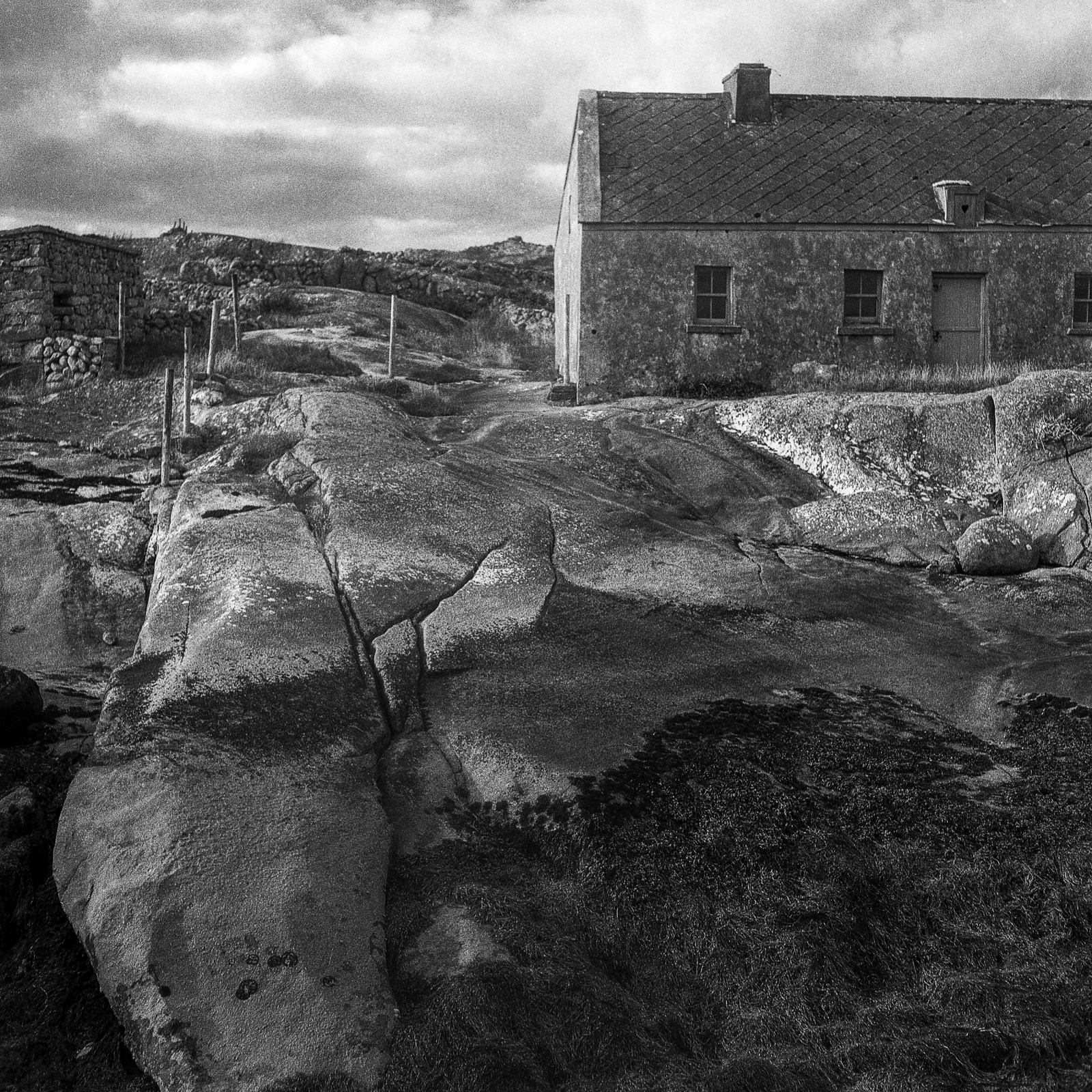
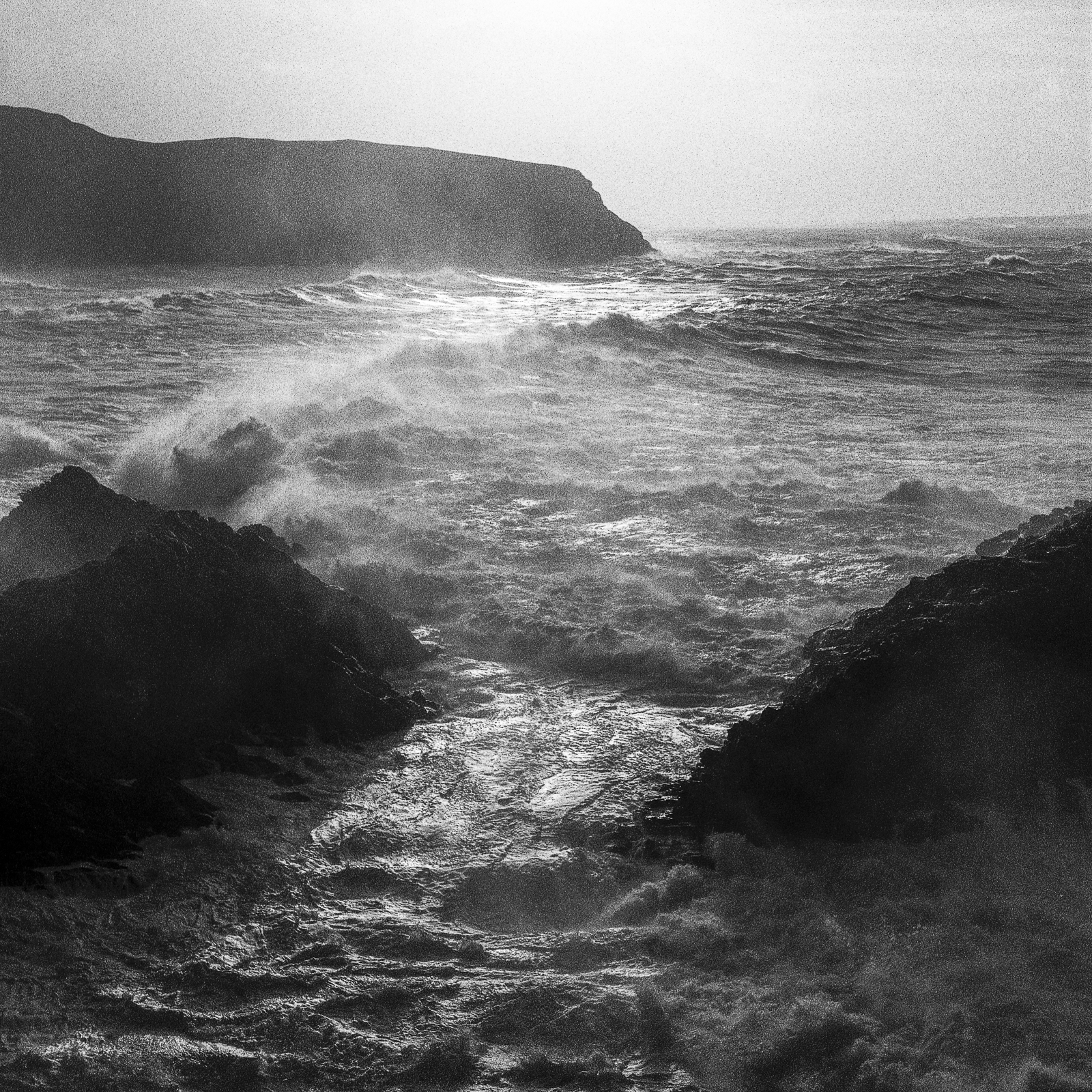
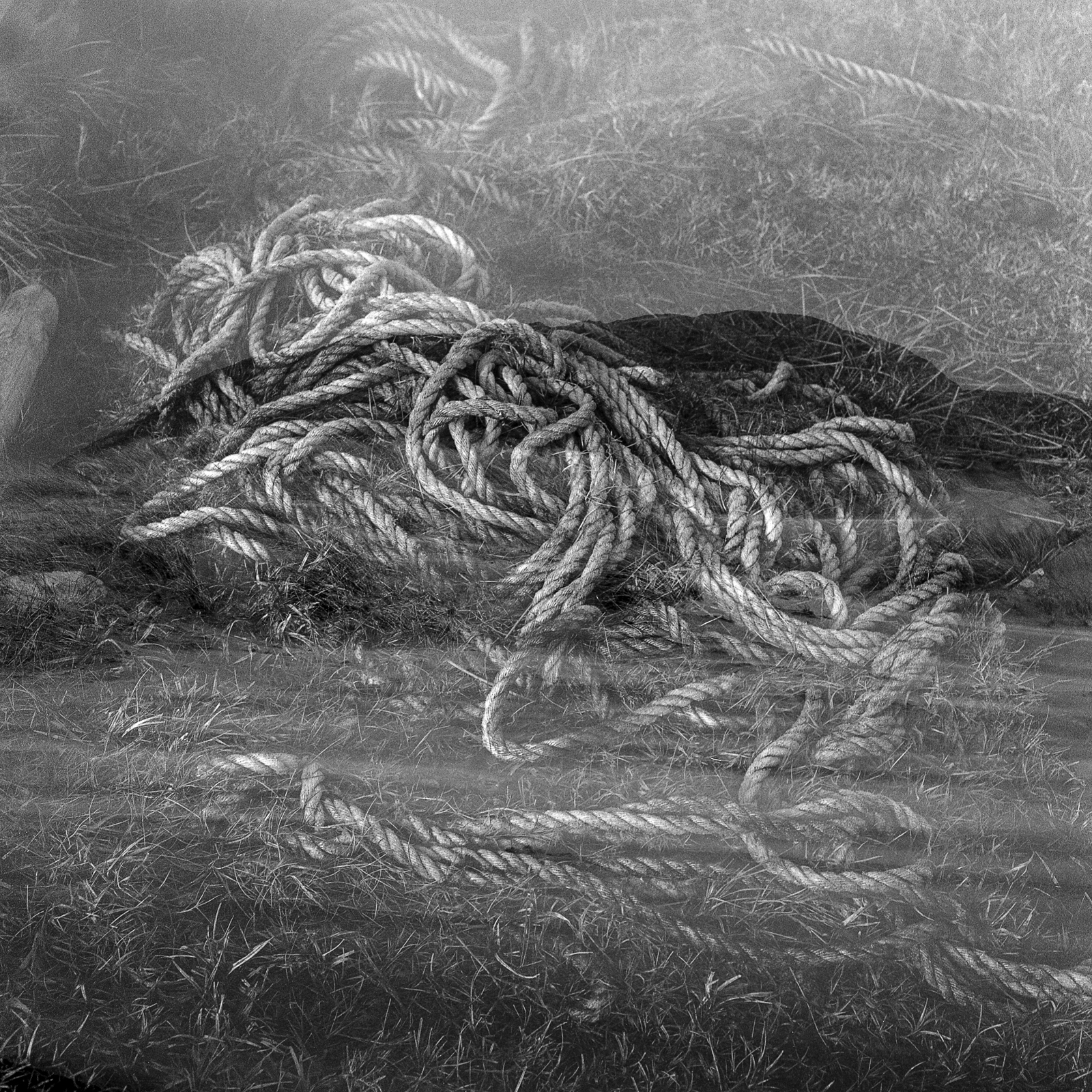
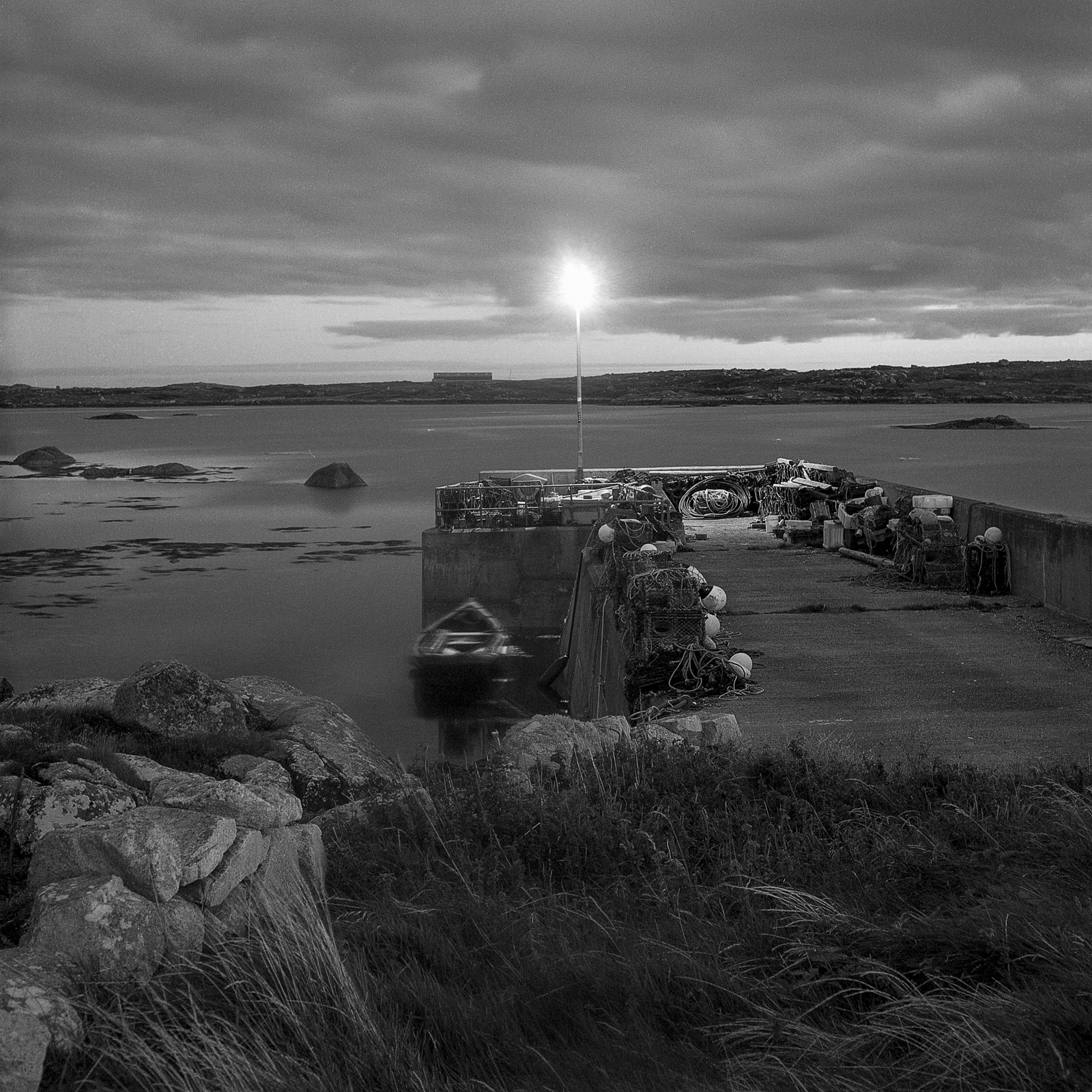
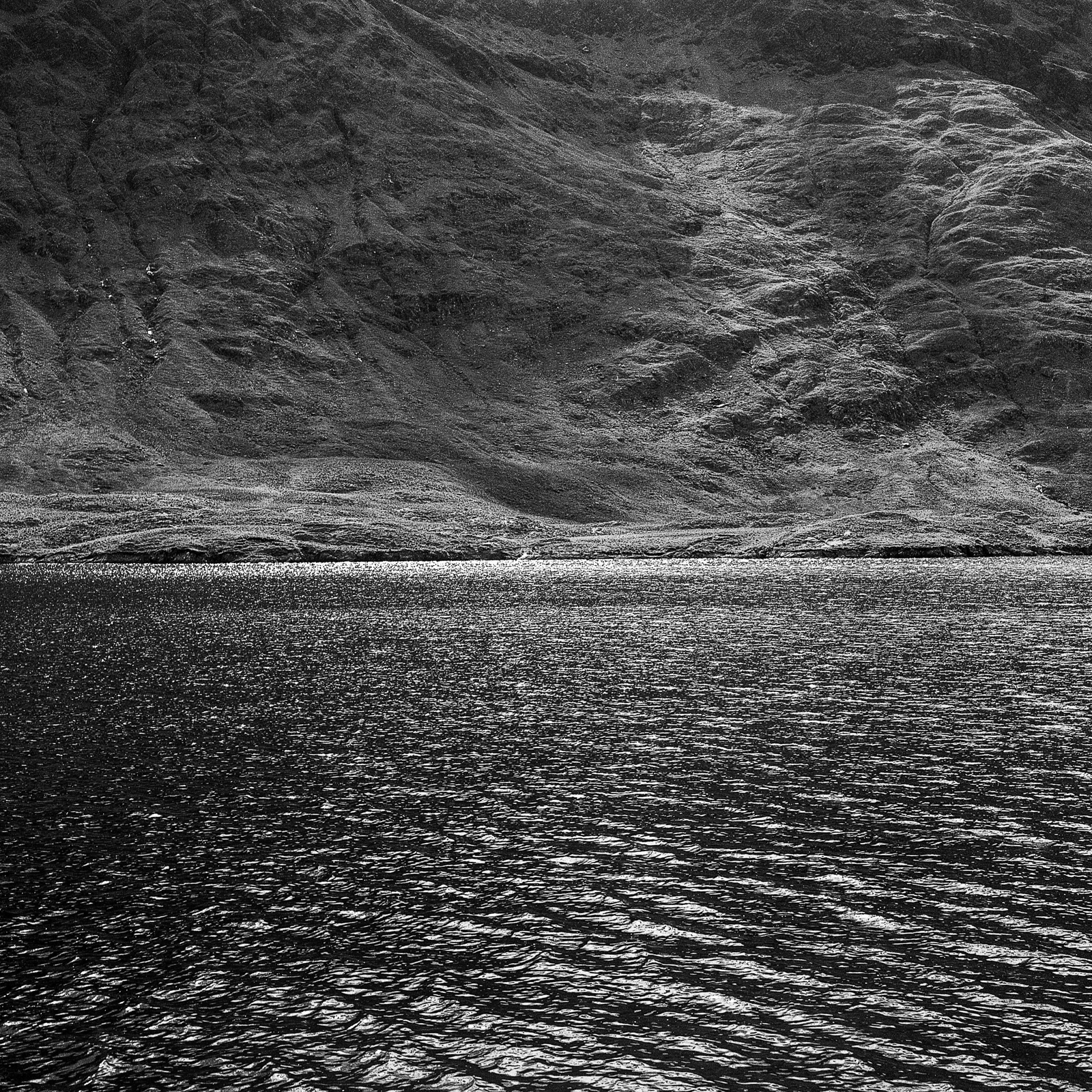
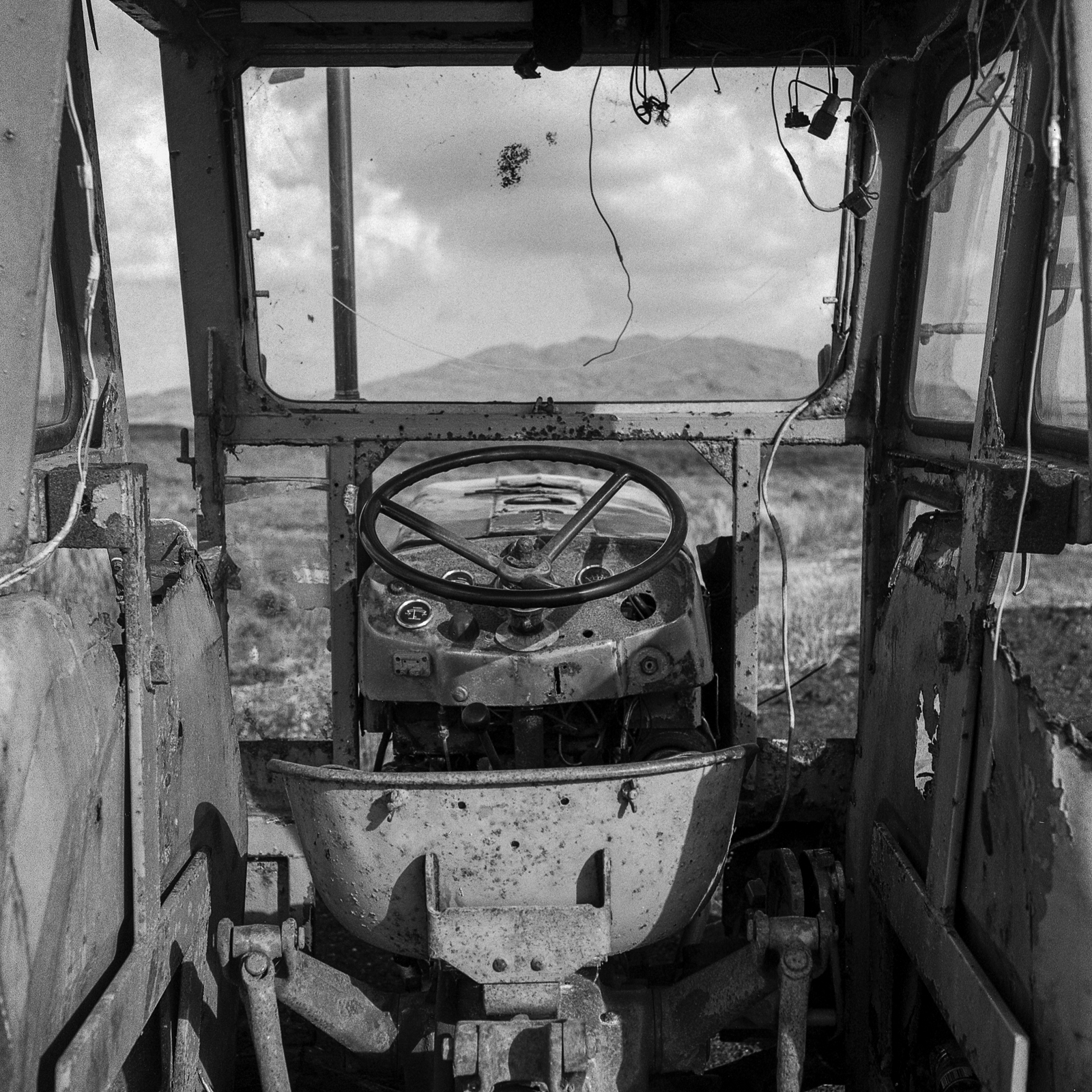
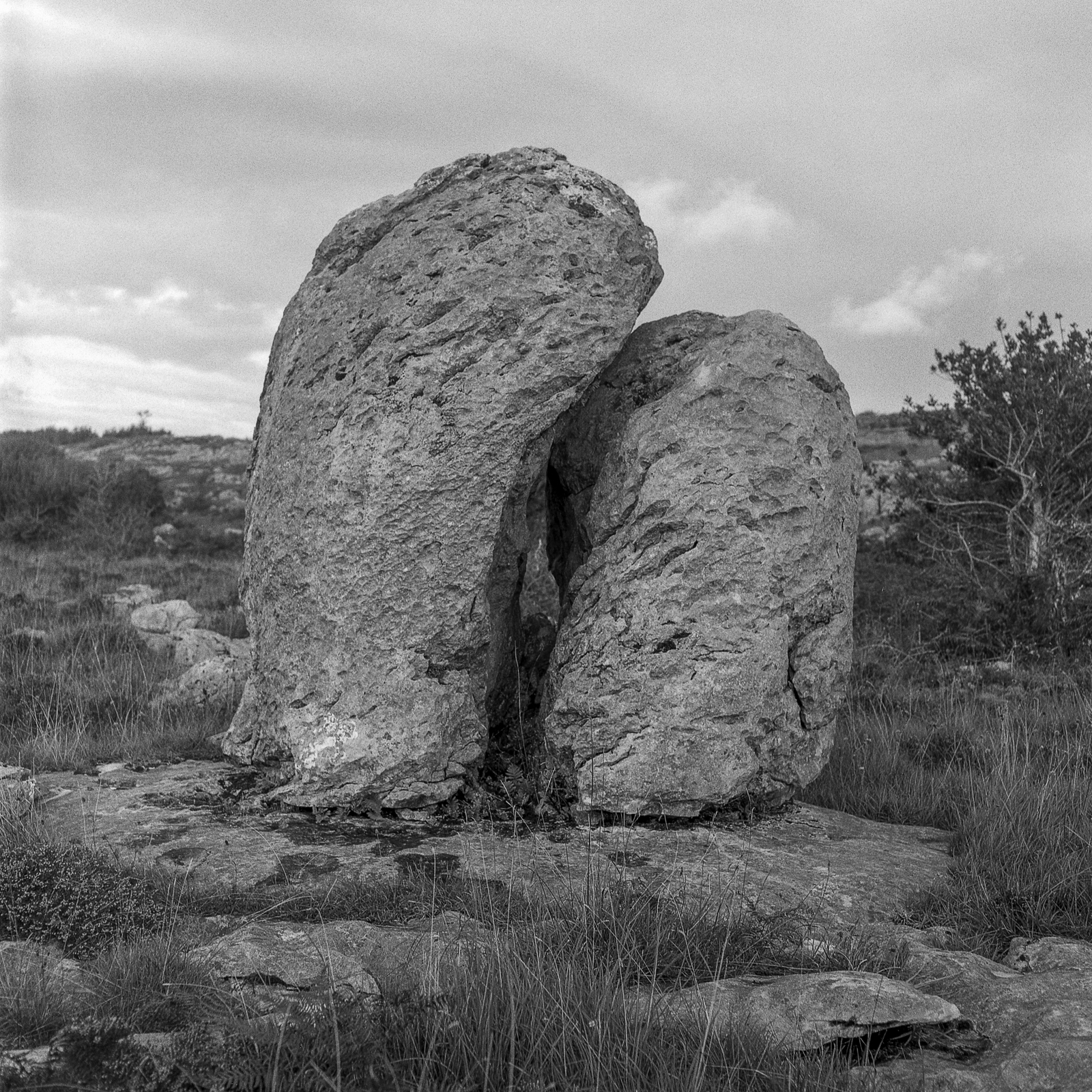
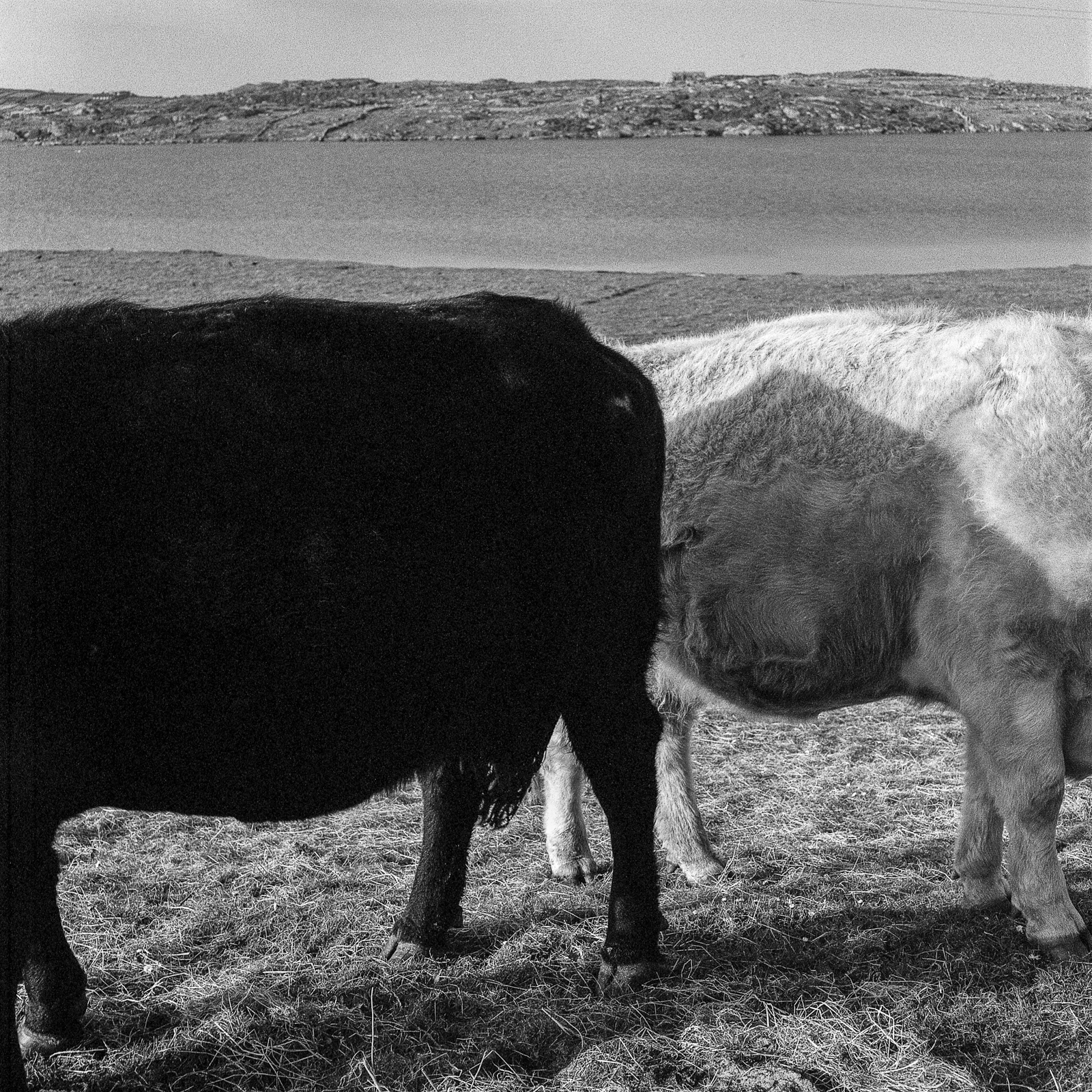
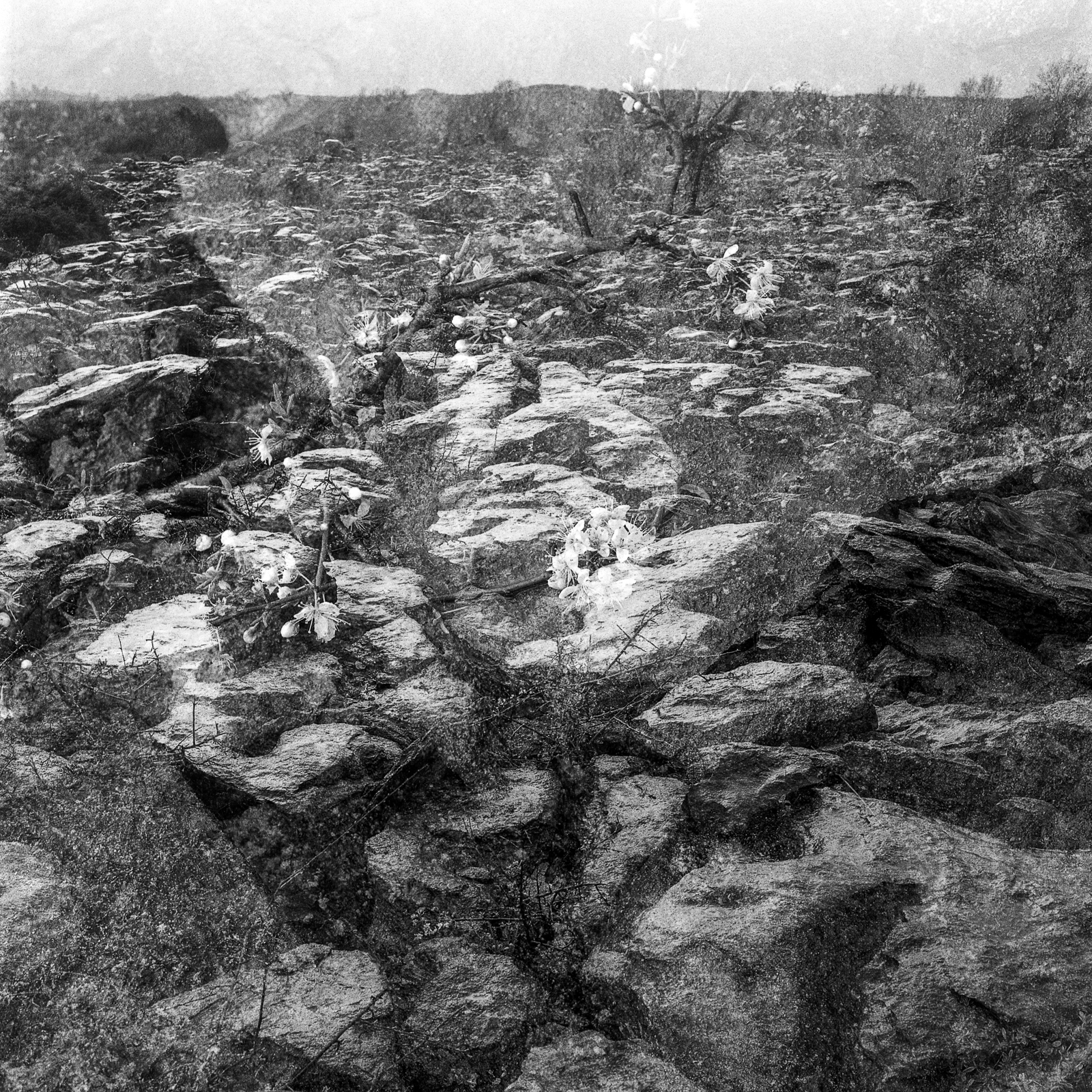
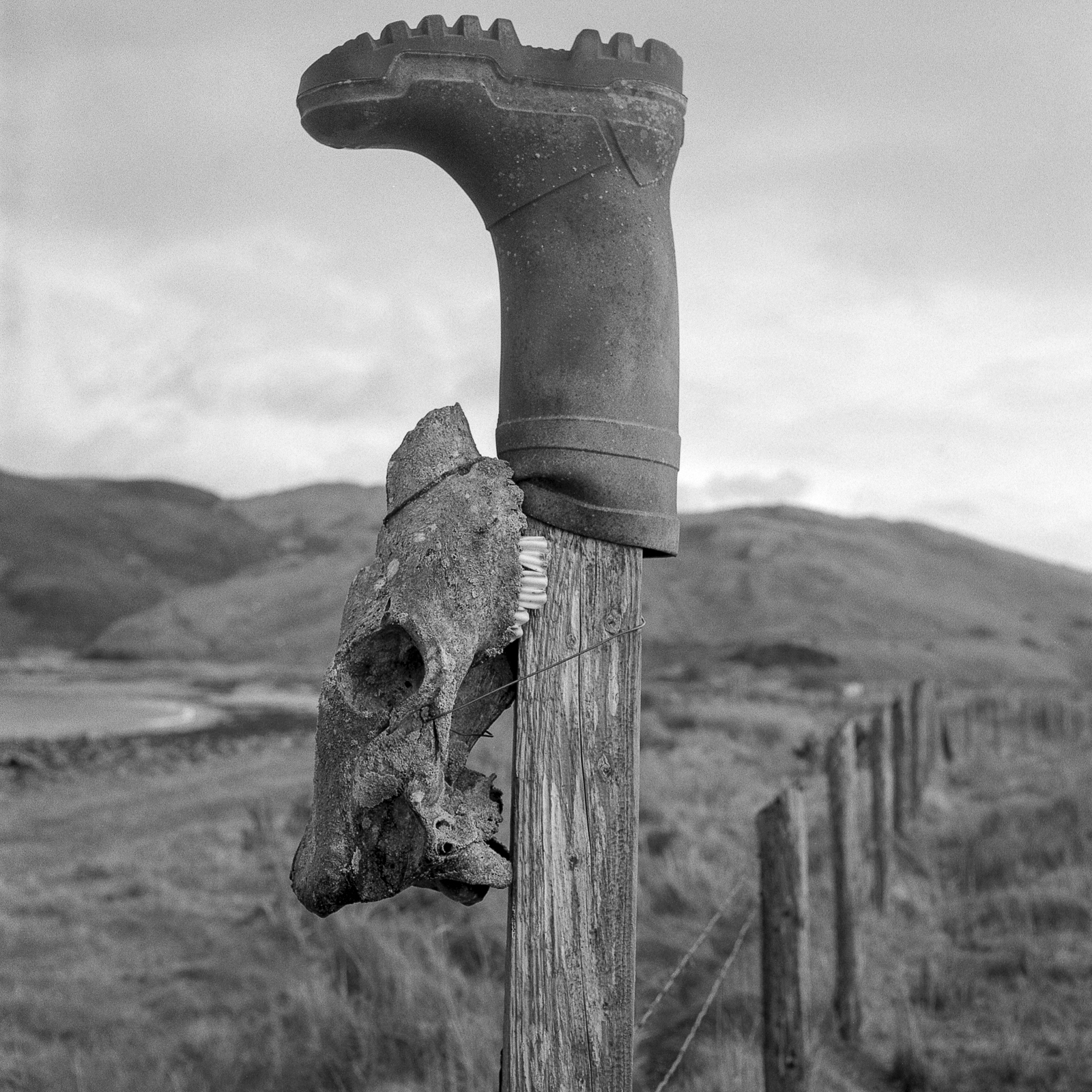
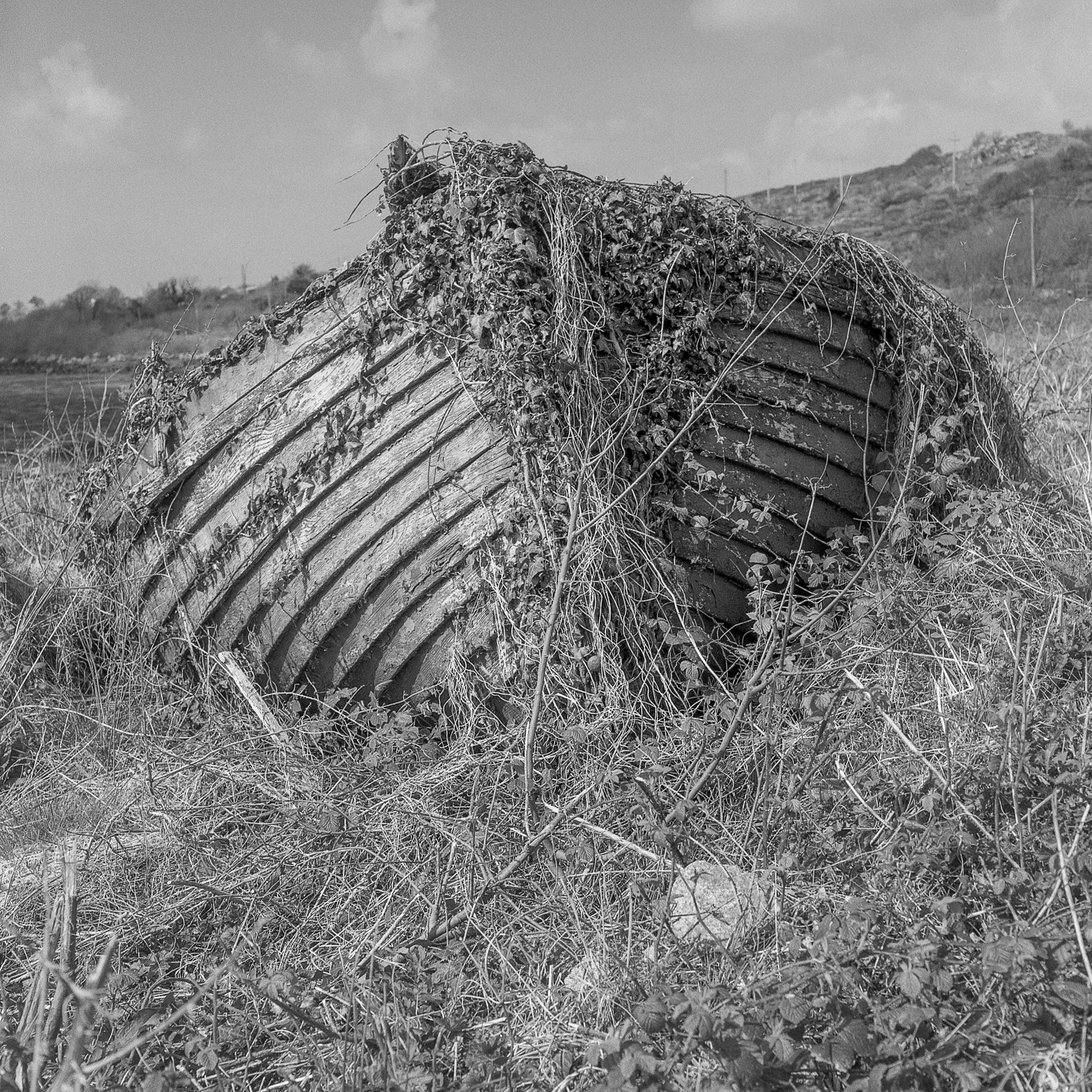
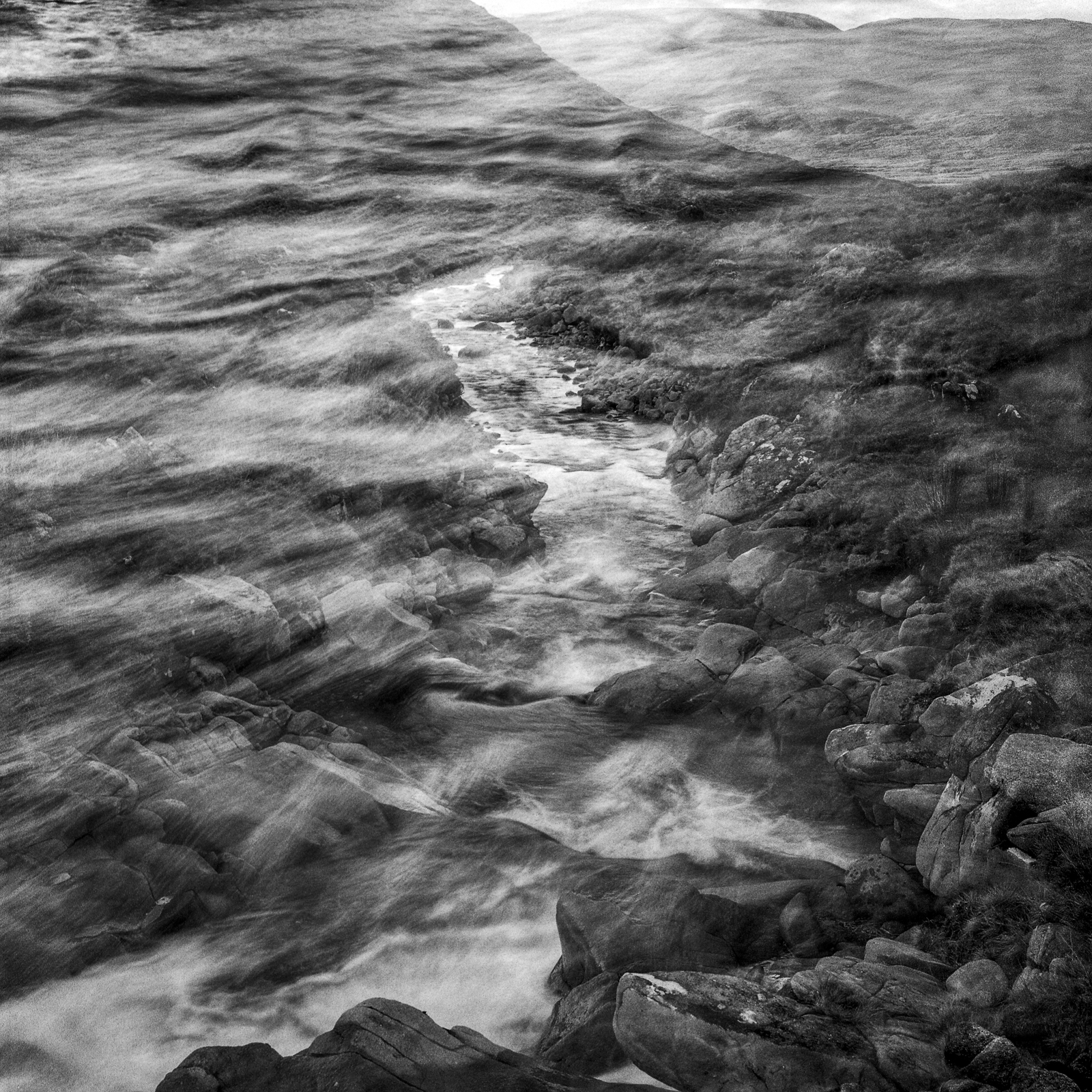
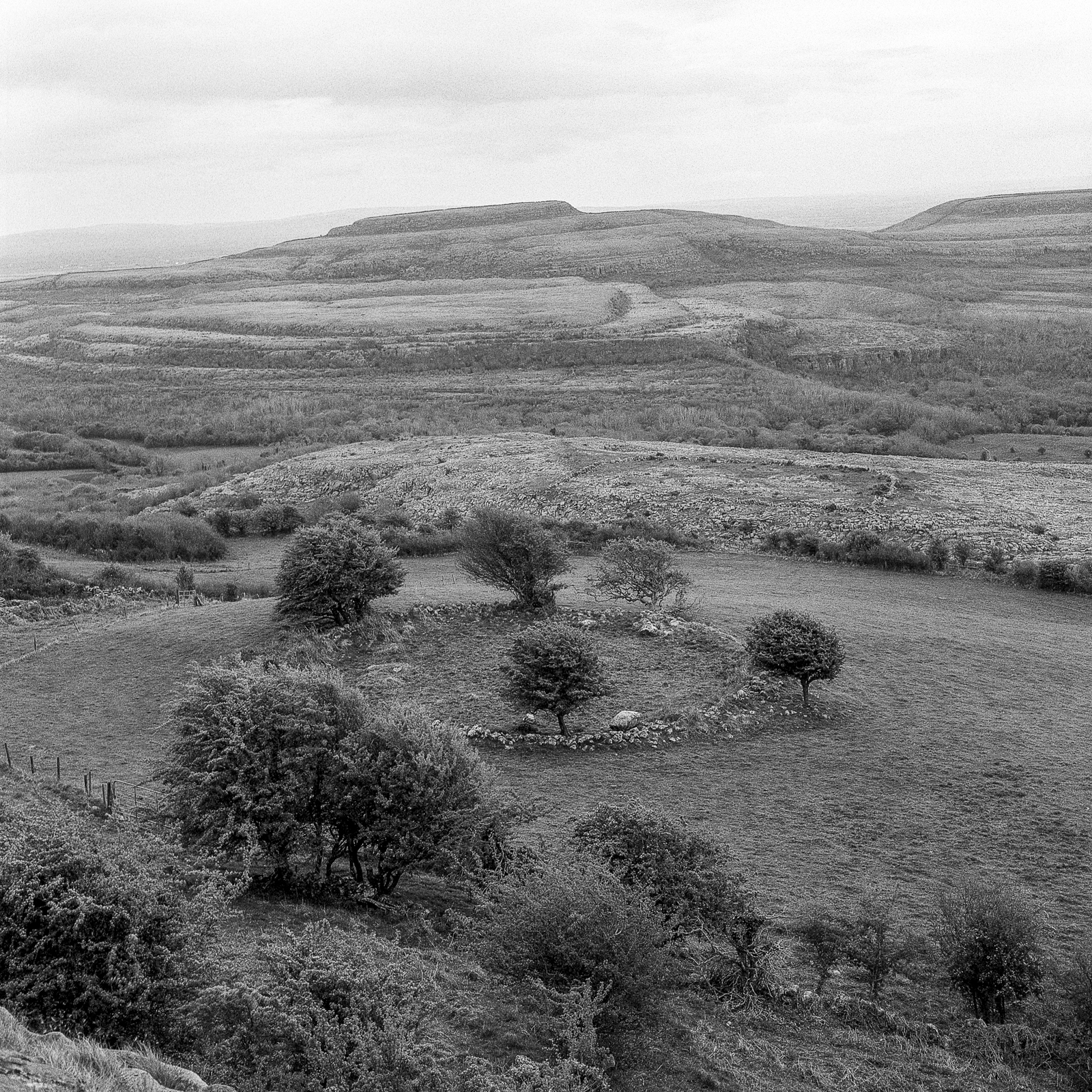
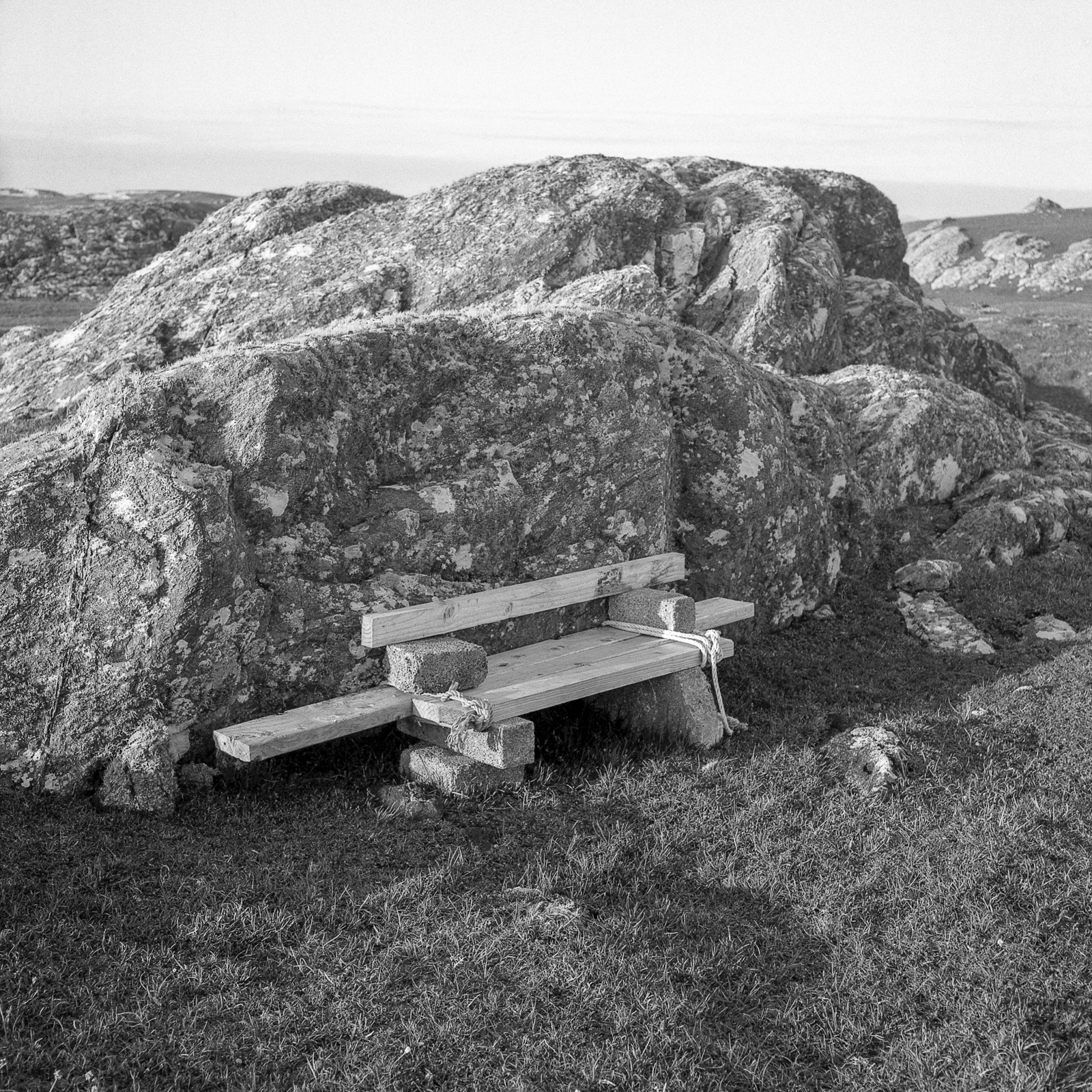
For Túath, Donal has searched for fresh surprises in his recent black and white medium format photography. Returning again and again to the layered and scarred Atlantic-salted lands of the west coast, he has sought intangibles in its geography, and romance in the contours and textures of its places. While this photography is constrained in technical fundamentals, being limited to the square format, black and white film, a single 80mm lens focal length, and to areas of the west coast, its subjects are broad and indirect. For him, photography can be guided by the same curiosity that has us wanting to know what might be around the next bend in a winding road, or in the tomorrows of our life, as well as the illuminating nature of stumbling upon unexpected things and moments, and of wanting to deeply notice, be affected by, and remember these. In the background, and in the interior life of the artist, is an aspiration to an integrity that also listens widely to truths told of our time, and disconcerting realities and tensions of our society, such as its hunger for resources, its rampant trampling of ecologies, its disconnections rendered paradoxically by supposedly connective technologies. The work must also reckon with the nature and history of photography itself as a medium, its flattening of reality and the separations by which every framing derives subjecthood through isolation.
In the end, we occupy both physical and abstract spaces. The land we inhabit, and the meanings we project onto it and take to furnish our own sense of identity, can be carved up in myriad ways. Parts of what seems essential to our narratives of belonging is fabricated, what Roland Barthes describes as the transformation of “history into nature”. The land we tread on now has been home to layer upon layer of other people, many of them leaving almost no trace, their strands of histories lost, their farewells barely detectable. The land we exhaustively divide now into private properties, townlands, parishes, and counties, was once drawn with different borders, into small independent units of identity and community, governed by Brehon laws; the túath. As a conceptual starting point, this idea of lost historical boundaries can show up the arbitrariness of our own, and suggest the discovering of new ways of seeing our spaces and our selves, and aspiring to ones more resonant and rich.
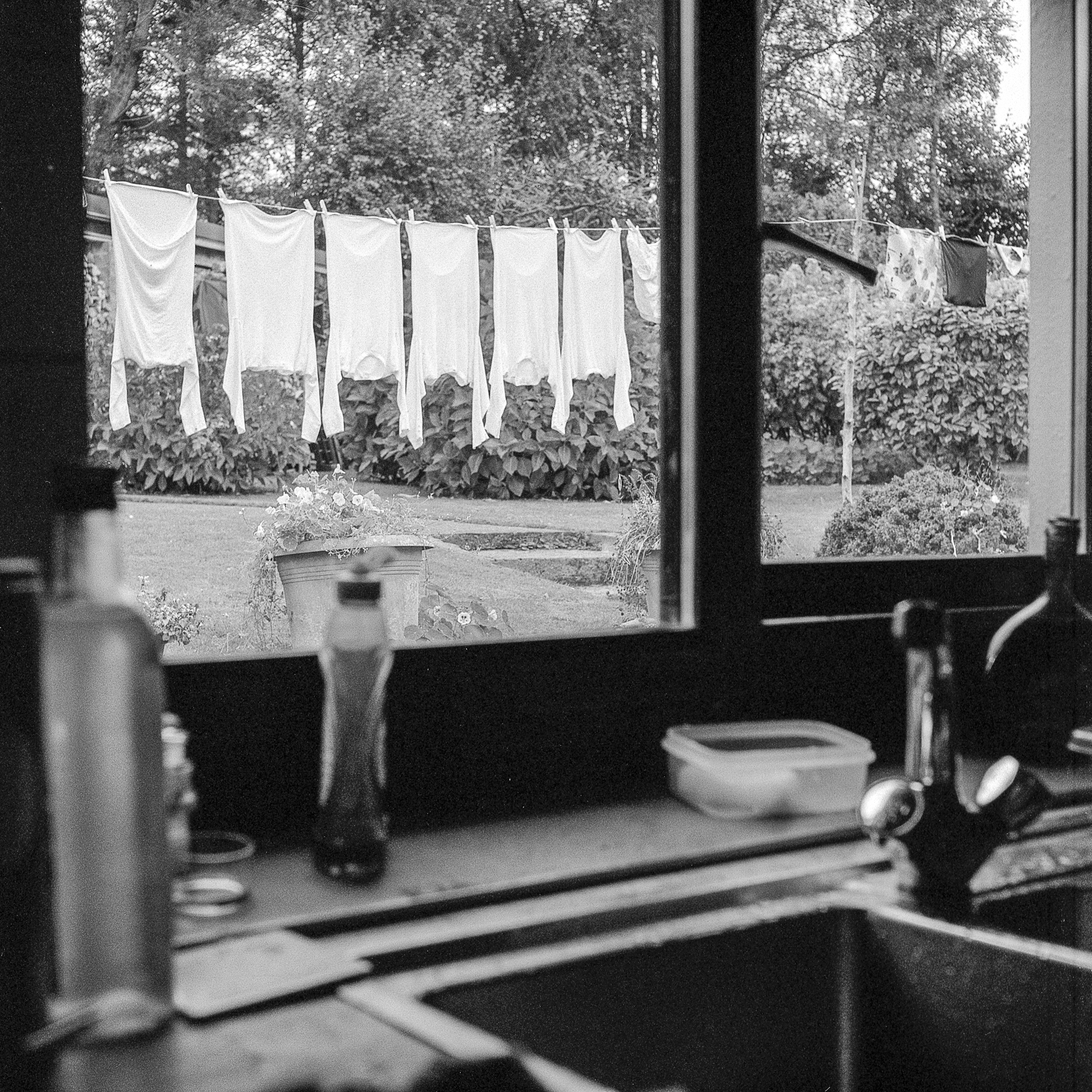
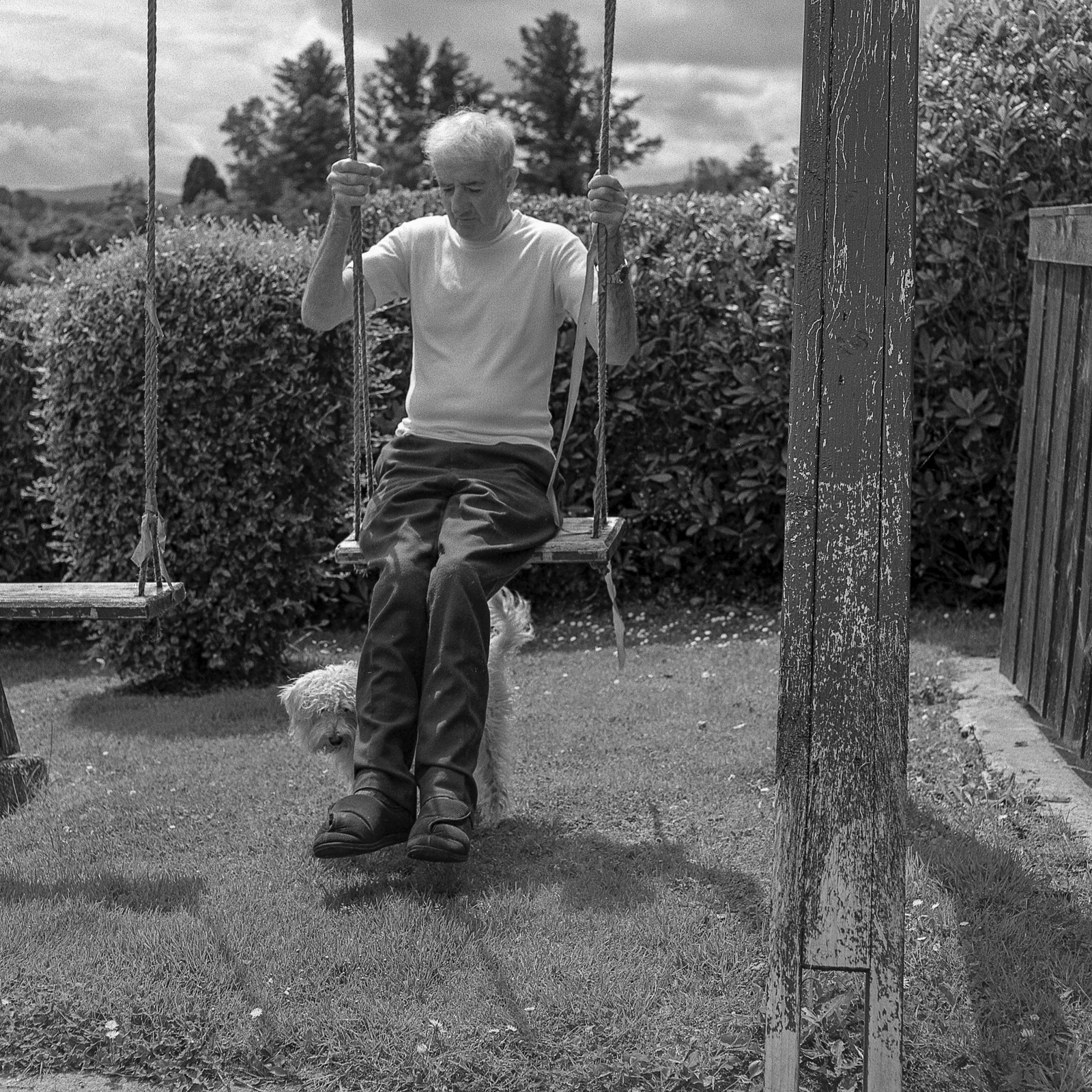
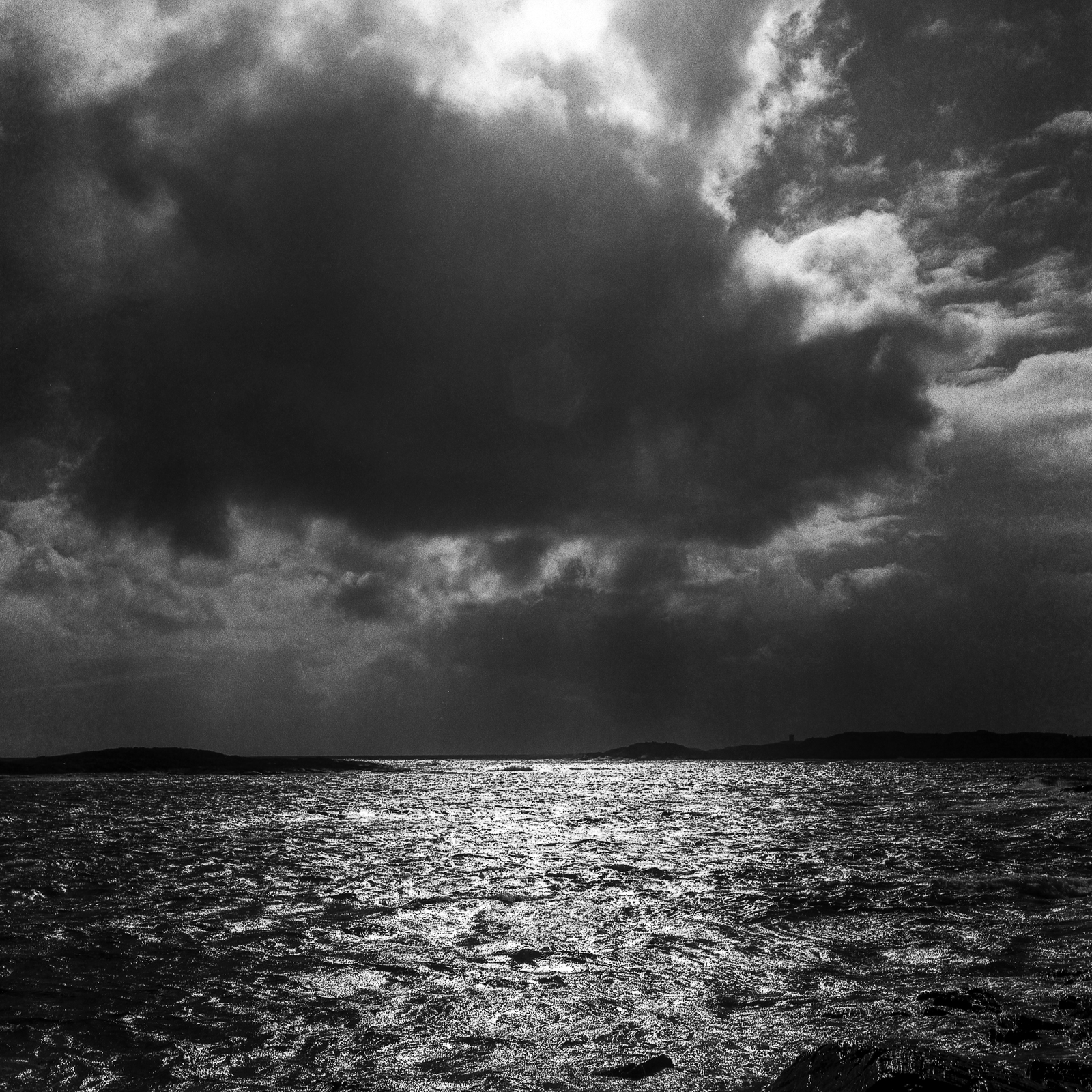
For this, I wanted to use all previously-unprinted work, and I tried to develop and scan more of my big backlog (can never seem to get to the bottom of this), and go back over unused photos from the last few years. It was a tricky path, funds were low, and I found it hard to make those choices. I’m still unsure, and include here a couple of photos that I didn’t end up using. My ‘shortlist’ was over 100 photos.
I also wanted to represent some of my different strands, intertwine them, though early on, again, I had to make decisions, such as “all black and white” and “all medium format squares”. So what I end up with is some photos from my time at home with my parents, from my multiple exposures chasing abstracted textures, from my paddlings to islands, and from looking into the sunlight at the edge, waves and clouds and the drama of simply being.